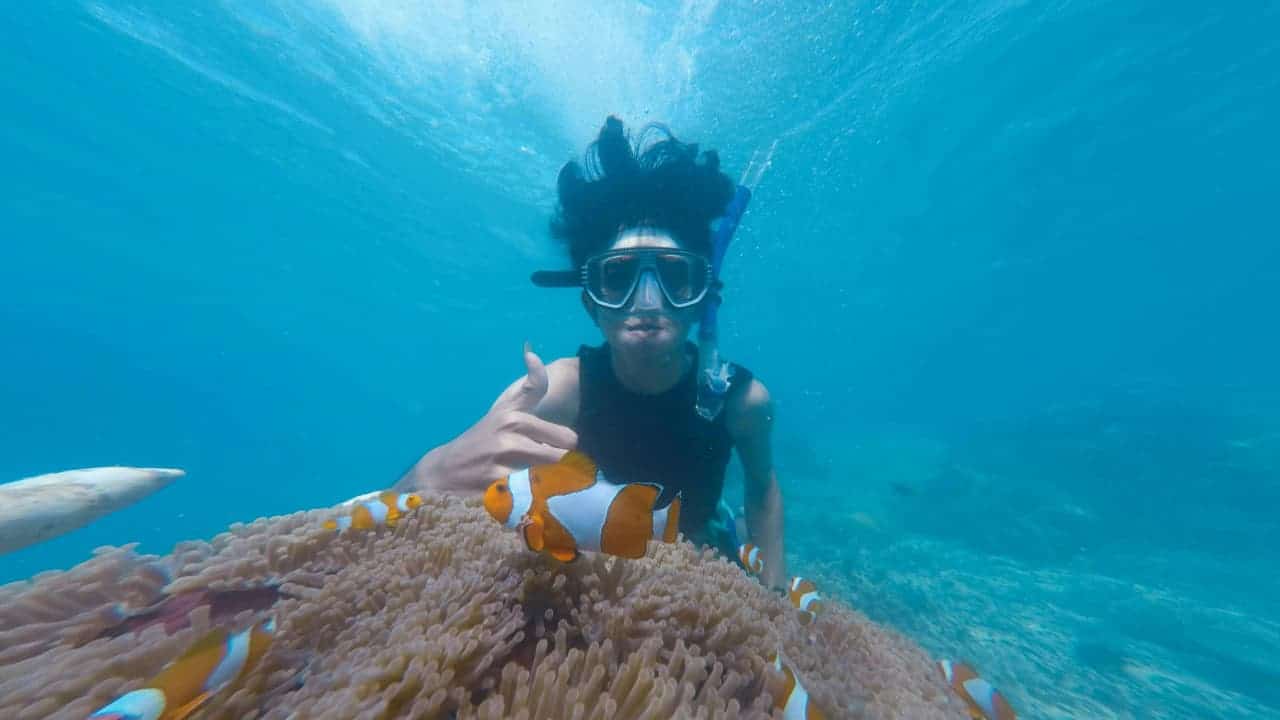
Learning to dive is one of the most exciting adventures a person can undertake. The promise of exploring coral reefs, swimming alongside marine life, and experiencing the serenity of the underwater world can feel magical. But for beginners, diving also comes with understandable fears—fear of equipment, of the unknown, of depth, and sometimes even of themselves.
Confidence is what separates a nervous diver from one who thrives beneath the surface. Building true confidence is not about being fearless; it’s about being prepared, calm, and capable when you dive. In this guide, you’ll learn how to build that kind of authentic confidence as a beginner diver, blending both practical steps and motivational insights.
Why Confidence Matters in Diving
Safety First
Confidence is directly linked to safety underwater. A diver who believes in their ability to handle situations is less likely to panic, which is the leading cause of accidents.
Comfort and Enjoyment
Diving should be enjoyable. Confidence allows you to relax, breathe slowly, and take in the incredible sights rather than focusing on worries.
Growth and Skill Progression
When you feel assured in the basics, you’ll naturally push yourself to learn new skills, attempt more advanced dives, and deepen your overall diving experience.
Step 1: Understand Your “Why”
Every diver begins with a motivation. Maybe you want to see shipwrecks, photograph marine life, or simply challenge yourself. Knowing why you’re learning to dive provides a mental anchor. When doubts creep in, reminding yourself of your purpose fuels resilience and confidence.
Step 2: Choose the Right Training Environment
Select a Reputable Dive School
Confidence starts with trust. A reputable dive school with experienced instructors ensures that you’re learning correctly and safely. Research certification agencies such as PADI, SSI, or NAUI, and read reviews of local dive centers.
Find an Instructor You Click With
Not every instructor’s style works for every student. If you feel rushed, unheard, or uncomfortable, don’t hesitate to ask for another instructor. A good mentor fosters patience, encouragement, and clarity.
Train in Calm Conditions
Your first experiences matter. Starting in a pool or calm, shallow waters helps you master basics without unnecessary stress from strong currents or poor visibility.
Step 3: Master the Equipment
Familiarity Reduces Fear
One of the biggest confidence barriers is handling diving equipment. Take the time to learn every component—mask, fins, snorkel, regulator, buoyancy control device (BCD), gauges, and tank.
Practice On Land
Don your gear on land and practice assembling and disassembling it. The more automatic this becomes, the more assured you’ll feel underwater.
Test in Controlled Settings
Spend time in a pool or confined water environment practicing mask clearing, regulator recovery, and buoyancy control until they become second nature.
Step 4: Build Comfort With the Basics
Breathing Techniques
Diving is all about breathing slowly and steadily. Practicing deep, controlled breaths on land and in shallow water can eliminate anxiety.
Equalization
Learn to equalize early and often. Pressure changes are one of the first challenges divers face, and practicing equalization removes discomfort.
Buoyancy Control
Mastery of buoyancy is the key to graceful, confident diving. Practice using small breaths and minor adjustments on your BCD to hover effortlessly.
Step 5: Develop a Confident Mindset
Visualization
Before a dive, close your eyes and imagine yourself descending calmly, equalizing easily, and gliding weightlessly. Visualization trains the brain to expect success.
Positive Self-Talk
Replace anxious thoughts with affirmations such as, “I am prepared,” or, “I know how to handle this.”
Accept Mistakes as Learning
Even advanced divers occasionally lose a fin or struggle with a mask. Confidence grows when you see mistakes as practice opportunities rather than failures.
Step 6: Dive With Supportive Buddies
The Power of the Buddy System
A trustworthy dive buddy builds reassurance. You know someone has your back, and you’re also supporting them in return.
Choose Experience Wisely
If possible, dive with someone slightly more experienced than you. They can offer guidance, but not so much that you feel overshadowed.
Communication Builds Trust
Practice underwater signals thoroughly before a dive. Being able to communicate clearly reduces anxiety and strengthens team confidence.
Step 7: Start Small and Progress Gradually
Don’t Rush Depths
Your first dives don’t need to be deep or long. Shallow dives offer plenty of beauty and allow you to build comfort gradually.
Celebrate Small Wins
The first time you descend calmly, clear your mask successfully, or hover without touching the bottom are all victories worth celebrating.
Log Your Dives
Keep a dive log and note your progress. Seeing improvement written down reinforces confidence.
Step 8: Learn to Manage Fear Underwater
Recognize Early Panic Signs
Racing heart, rapid breathing, or a sudden urge to surface are panic precursors. Recognizing them allows you to intervene early.
Stop, Breathe, Think, Act
This classic diving mantra is a lifesaver. If you feel uneasy, stop moving, focus on slow breaths, assess the situation, and then act calmly.
Trust Your Training
Confidence grows when you remind yourself, “I’ve practiced this.” Rely on the skills drilled in confined water sessions.
Step 9: Stay Physically and Mentally Fit
Physical Fitness
Being in good shape makes diving easier—better air consumption, smoother movement, and greater stamina. Focus on cardiovascular fitness, flexibility, and core strength.
Mental Resilience
Yoga, meditation, or mindfulness can strengthen your ability to stay calm in uncertain conditions.
Step 10: Keep Learning and Growing
Take Specialty Courses
Enriched air (Nitrox), buoyancy mastery, or underwater photography courses not only expand your skills but also reinforce confidence.
Seek Feedback
Ask instructors or experienced divers for constructive feedback. Knowing where you excel and where you can improve keeps you motivated.
Dive Regularly
Like any skill, confidence comes with repetition. The more you dive, the more natural it feels.
Confidence Is a Journey, Not a Destination
Every diver you admire once struggled with the same beginner fears. Confidence doesn’t appear overnight—it’s built dive by dive, breath by breath. True confidence is not arrogance or recklessness. It’s calm self-assurance rooted in preparation, experience, and mindset.
When you descend beneath the waves, remember: you’re entering a world that few ever see firsthand. Every dive is an opportunity to grow, not only as a diver but as a person.
Conclusion:
Building true confidence as a beginner diver isn’t about eliminating fear—it’s about transforming fear into focus and curiosity. By choosing the right training, practicing consistently, developing a resilient mindset, and progressing gradually, you’ll cultivate the kind of confidence that allows you to fully embrace the underwater world.
When you finally glide effortlessly among coral gardens or watch a sea turtle drift past, you’ll realize that your hard-earned confidence has unlocked an experience like no other. The ocean rewards patience, respect, and courage—and with each dive, you’re becoming not just a better diver, but a more confident person in all aspects of life.
